
Key Takeaways
- Store every pizza box in a clean, dry, and well-ventilated area to prevent contamination and moisture damage.
- Organise inventory using a first-in, first-out (FIFO) system to reduce waste.
- Keep packaging away from chemicals, food waste, and direct sunlight.
- Use shelving or pallets to protect boxes from dust, pests, and accidental damage.
- Proper storage helps businesses maximise the value of cheap packaging supplies while maintaining packaging quality.
Introduction
A pizza box is more than a container for transporting food. It helps protect the product, retains heat during delivery, and contributes to food hygiene. Even high-quality packaging can become unsuitable for use if it is stored incorrectly. Moisture, dust, pests, and poor stock management can all affect the condition of unused boxes before they ever reach customers. Businesses that purchase cheap packaging supplies can extend the usability of their inventory by implementing proper storage practices. A structured storage system also reduces unnecessary waste, improves operational efficiency, and ensures packaging remains ready for daily service.
Choose a Clean and Dry Storage Area
The condition of storage facilities directly affects packaging quality. Cardboard absorbs moisture easily, making it vulnerable to warping, weakening, and mould growth. For this reason, pizza boxes should always be stored in a dry room with stable environmental conditions. Storage areas should also be cleaned regularly to minimise dust accumulation and reduce the risk of contamination. Avoid placing packaging close to sinks, leaking pipes, windows with water ingress, or areas exposed to rain and humidity. Good ventilation further helps maintain consistent conditions while preventing excessive dampness that could damage cardboard packaging over time.
Keep Boxes Elevated and Properly Organised
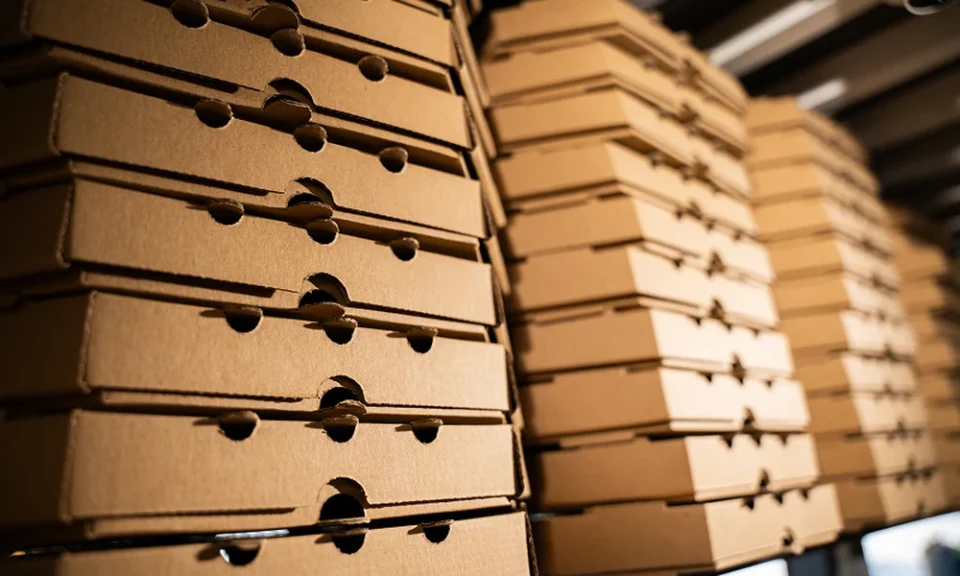
Pizza boxes should never be stored directly on the floor. Using shelving units or pallets creates a barrier between the packaging and potential contaminants such as dirt, cleaning water, or pests. Elevating inventory also makes inspections and stock handling easier. Boxes should be stacked neatly according to size and product type to avoid unnecessary handling when retrieving stock. Excessive stacking should also be avoided, as heavy weight can deform lower cartons and affect the appearance and structural integrity of the packaging. Organised shelving allows staff to locate inventory quickly while reducing accidental damage during daily operations.
Implement a First-In, First-Out Inventory System
A first-in, first-out (FIFO) inventory system ensures that older packaging is used before newer deliveries. Although cardboard packaging does not have a strict expiry date, extended storage increases the likelihood of exposure to dust, moisture, or environmental changes. Clearly labelling delivery dates and arranging stock in order of arrival simplifies inventory rotation. Staff should be trained to retrieve packaging from the oldest available stock rather than opening newly delivered cartons first. This approach reduces waste, prevents forgotten inventory from accumulating, and supports consistent packaging quality across daily operations.
Protect Packaging from Contamination
Packaging intended for food contact should be protected from sources of contamination throughout storage. Pizza boxes should be kept away from chemicals, cleaning agents, pest control products, rubbish bins, and food preparation waste. Strong odours from nearby materials can also affect cardboard, making separate storage preferable wherever possible. Storage areas should be monitored regularly for signs of insects or rodents, as pests can damage packaging and create hygiene concerns. Businesses should establish routine inspections to identify potential problems before large quantities of inventory are affected.
Plan Inventory Levels Carefully
Ordering excessive quantities of packaging may increase storage challenges, while ordering too little may interrupt daily operations. Businesses should monitor usage patterns and maintain stock levels that align with expected sales volumes and supplier lead times. Purchasing cheap packaging supplies in bulk can offer cost advantages, but only when sufficient storage capacity exists to preserve product quality. Reviewing inventory regularly allows businesses to identify slow-moving stock, adjust ordering schedules, and prevent unnecessary accumulation that occupies valuable storage space.
Conclusion
Proper storage practices help ensure every pizza box remains clean, structurally sound, and ready for immediate use. Keeping packaging in a dry, organised, and contamination-free environment protects product quality while reducing waste and replacement costs. Combined with effective inventory rotation and sensible purchasing decisions, these practices enable businesses to make the most of cheap packaging supplies without compromising operational standards. Consistent storage management supports efficient workflows and helps maintain reliable packaging performance throughout daily food service operations.
Contact PackInk to ensure your packaging is durable and ready for every order.
