
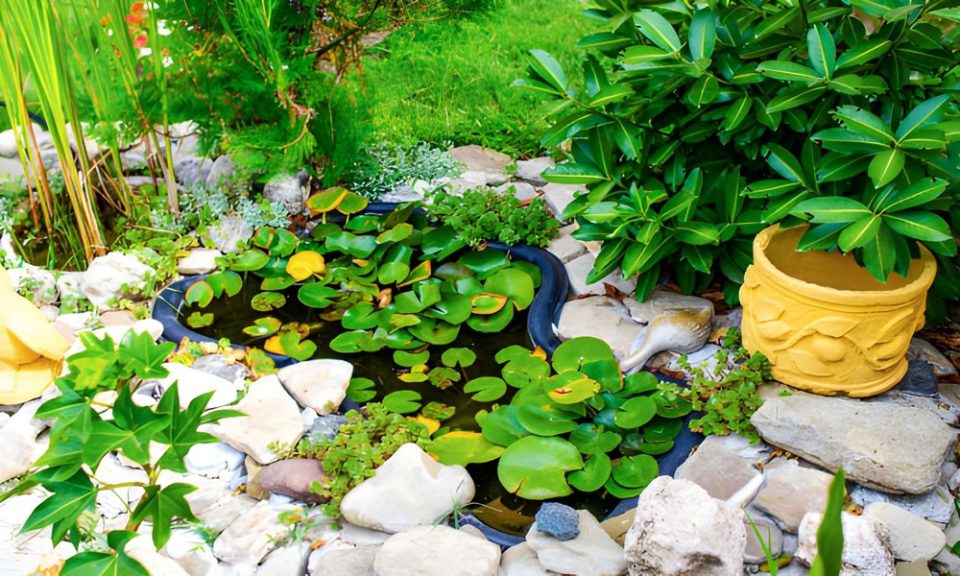
I used to think a pond was simple. Dig a hole. Add liner. Fill water. Done. That was the whole picture in my head for years. But fibreglass ponds, they changed that idea completely. The first time I saw one up close, it did not even look like a typical pond lining. It looked more like a solid shell, almost like a tank built into the ground.
There is a faint resin smell when it is being installed, sharp, chemical, but strangely reassuring. Smells like something permanent is happening.
While searching on Google using the keyword “Norfolk pond fibreglassing experts,” I came across the name of a company called “That Pond Guy”, which appeared funny, initially. But soon I learned about their serious work. They seem to do this kind of pond build all the time, not as a side service.
You can actually see the difference when someone specialises in fibreglass work. The edges are neater. Corners smoother. The finish looks deliberate, not rushed. Like they have done it a hundred times before and know exactly where problems usually start.
What Fibre-glassing a Pond Really Means
It is not just lining a pond. It is creating a hard waterproof layer inside the shape of the pond itself.
You end up with:
- A rigid, solid structure
- No folds or creases for dirt to collect
- A surface that is very easy to clean
- Long-term durability without shifting or tearing
Unlike liners, which move slightly with soil and roots and time, fibreglass stays exactly where it was put.
Why People Move Away from Liners
So many pond stories start the same way:
- “I think my liner has a leak.”
- “There is muck stuck in the folds.”
- “Cleaning is a pain.”
- “My fish keep scraping against rough bits.”
And then someone suggests fibreglass. Suddenly, maintenance becomes easier. Water stays clearer. Fish are safer. And there is no constant fear of hidden damage under the waterline.
It removes that quiet background stress.
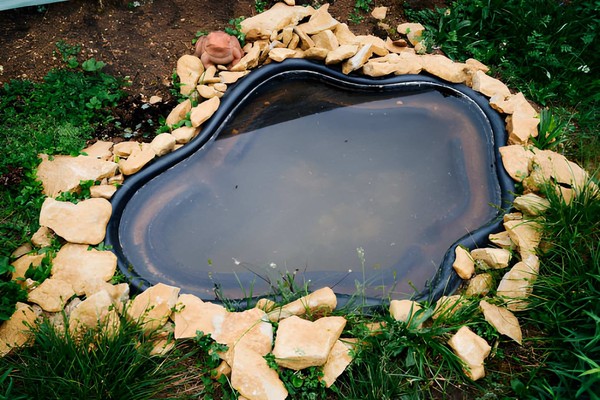
The Installation Is More Detailed Than You Would Expect
This surprised me. It is not a quick job.
There is preparation first:
Temperature and timing matter. Rushing leads to weak spots, bubbles, and cracks later. That is why DIY attempts often fail, not because fibreglass is bad, but because the process needs patience.
The Finished Look
Once completed, the pond looks finished. Almost like a pool interior. Smooth, dark surface. Water reflects better. Fish colours stand out more. No wrinkles. No sagging edges. Just clean lines.
And honestly, very little drama afterward. Maintenance becomes routine instead of a constant fix-it job.
Final Thoughts
Fibreglass ponds cost more upfront, yes. But many people choose them after spending years repairing liners again and again. In hindsight, it often feels like the option they wish they had chosen first. Less worry. Longer life. A pond that feels properly built from the start.
