
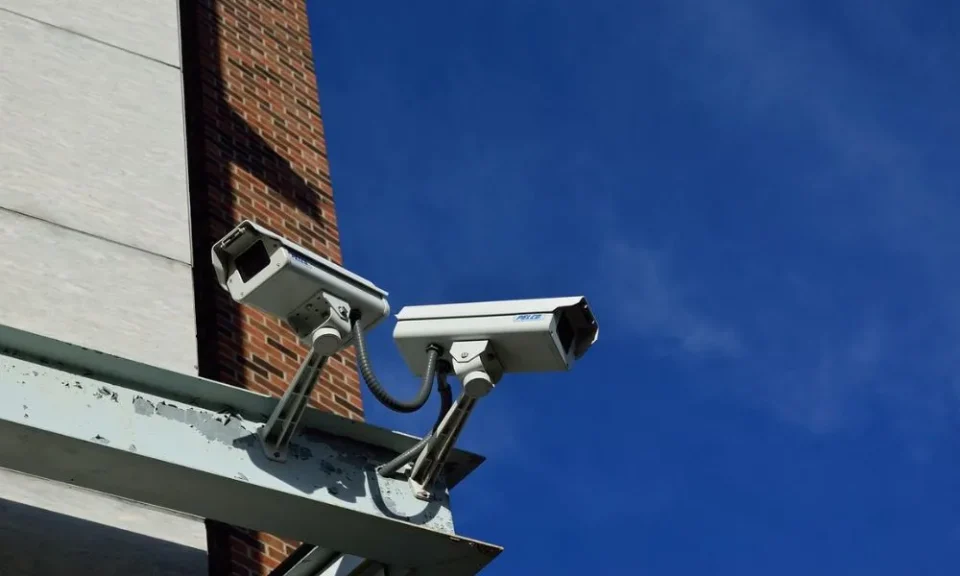
City enterprises often thrive when protection systems reflect real-world movement, visitor behavior, and spatial flow. Tailored setups help reduce blind spots while supporting daily operations without creating friction. Smart planners blend visibility, access control, and adaptive monitoring into one seamless approach. Every solution starts with site awareness, not templates copied from elsewhere. A responsive website also becomes a key point for learning, coordination, and long-term system updates.
Spatial planning meets local safety needs
Security design gains value when it reflects the rhythm of its surroundings, not generic layouts. Dallas properties often host varied foot traffic patterns, requiring layouts that adapt without disrupting business flow. Smart zoning, selective camera placement, and layered access systems maintain control while preserving open movement. This balance supports productivity while keeping risk points actively monitored.
Functional features shaping custom systems
- Entry points designed to balance accessibility with controlled monitoring zones
- Parking areas protected through motion-aware lighting and surveillance layering
- Interior pathways mapped to minimize hidden movement corridors
- Retail counters secured using subtle, customer-friendly camera placements
- Warehouse aisles structured for visibility without workflow interruptions
- Elevators paired with identity-based access verification systems
- Emergency exits integrated with silent alert technologies
- Shared spaces supported through behavior-sensitive monitoring layouts
Environmental factors shaping layout decisions
Local climate, building materials, and daily occupancy patterns influence security planning more than many realize. Dallas properties often experience temperature shifts, seasonal crowds, and varying business hours. Smart layouts factor in sun glare, reflective surfaces, and natural lighting changes. These elements affect sensor accuracy, camera clarity, and placement reliability.
Each structure presents unique challenges that generic blueprints rarely solve. Designers study wall depth, ceiling height, and human movement habits before selecting hardware positions. This careful mapping reduces false alerts website and improves long-term performance across different commercial categories.
How do tailored systems improve workplace protection?
Custom security systems reduce blind zones, optimize staff awareness, and prevent unnecessary surveillance overlap. When layouts reflect how people actually move, monitoring becomes proactive rather than reactive. This reduces false alarms while improving response time during real threats.
Businesses also gain flexibility, allowing expansions or renovations without complete system overhauls. Such adaptability keeps protection relevant as operations evolve, creating consistency without frequent replacements.
Balancing technology with human interaction
Security layouts must never feel invasive to employees or visitors. Thoughtful placement ensures coverage without discomfort, encouraging cooperation instead of resistance. Systems designed around natural movement foster trust while still delivering full situational awareness.
A human-centered approach improves compliance, reduces stress, and enhances overall space usability. These details often define whether a layout feels supportive or disruptive.
Digital access for layout coordination
Modern layouts benefit from centralized platforms that manage permissions, updates, and system diagnostics remotely. Facility managers can review live feeds, update access rules, and schedule maintenance from one dashboard. This approach reduces manual errors and speeds up response actions.
Data-driven design planning insights
Real-time metrics help designers adjust layouts using factual usage patterns rather than assumptions. Movement tracking, dwell-time analysis, and entry frequency reports provide valuable context for refining system positions.
Final perspective and lasting value
Protection planning works best when it adapts, learns, and evolves with its environment. Thoughtful layouts do more than deter threats; they create order, confidence, and operational clarity. Each decision, from camera angle to access routing, shapes long-term safety success.
