
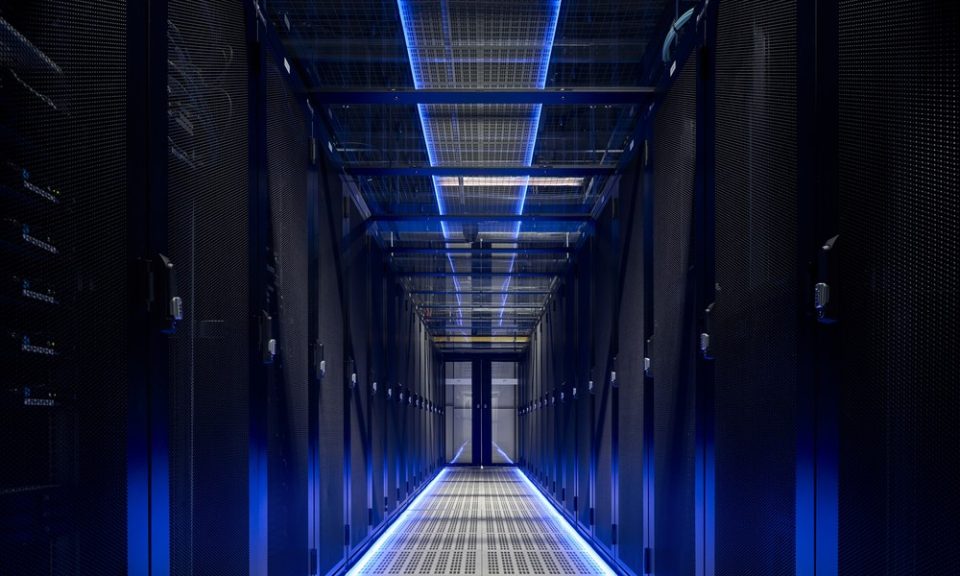
In the race to keep up with digital demand, data center architecture has undergone a transformation that is as complex as it is necessary. The promise of modular systems, scalable, adaptable, and potentially more cost-effective, is reshaping how organizations plan, build, and maintain their most critical infrastructure. Yet, behind the modular trend lie significant technical and operational challenges that even seasoned architects and engineers must navigate.
Early Development of Data Center Architecture
Traditional data centers were designed as monolithic structures. Thick concrete walls, fixed equipment layouts, and rigid power and cooling pathways made changes expensive and time-consuming. While these facilities ensured security and reliability, they struggled to adapt to rapid technological advancements or fluctuating demand. The result? Overprovisioned facilities with underused resources or costly retrofits when needs changed.
The limitations became especially clear with the rise of cloud computing and high-density computing workloads. Static designs couldn’t flex to accommodate unexpected growth or integrate the latest server technologies. The industry needed a new approach.
The Rise of Modular Systems in Data Centers
Modular architecture injected much-needed flexibility into data center design. Instead of building for maximum projected load from day one, facilities could be delivered in phases, with ready-to-add capacity as business requirements evolved. But what exactly does modular mean in this context? Here, modularity refers to both the physical layout, such as prefabricated data halls or containerized units, and the technical systems, including modular cooling, power distribution, and backup systems.
Three core factors have fueled modular adoption:
– Scalability: Modular centers can expand capacity incrementally, reducing upfront capital costs.
– Speed: Prefabricated modules are manufactured off-site then quickly assembled onsite, shortening build times.
– Cost-Efficiency: Phased investments align spending with actual demand, avoiding the sunk costs of oversized facilities.
A leading example comes from the Montréal region, where the architecte centres de traitement de données Stendel + Reich designed a 109,000 square foot data center following modular principles. Their approach enabled phased capacity additions and included a specialized clean room, with generator systems capable of supporting operations for 48 hours without external power. This project illustrates not just modular theory, but its real-world execution and complexities.
Technical Challenges in Implementing Modular Systems
Integrating modular components into an existing data center is rarely a seamless operation. Legacy infrastructure may not easily accommodate new modules, especially when power densities or cooling needs differ sharply. Retrofitting connections and ensuring system compatibility can lead to costly downtime or overruns.
Power and cooling management becomes another puzzle. As new modules are added, load balancing and airflow dynamics shift. Ensuring that every modular zone receives the right environment, without creating inefficiencies or hotspots, requires sophisticated real-time monitoring and engineering.
Meeting reliability and uptime standards, such as Uptime Institute’s Classes 2 and 3, compounds the challenge. Each module must be designed for redundancy, so that failures in one area don’t compromise the entire center. Coordinating these fail-safes across modular boundaries pushes design and operational teams to their limits.
Operational and Maintenance Complexities
The promise of modularity can complicate day-to-day operations. Each module might require its own monitoring system, and disparate equipment vendors may use incompatible management platforms. Troubleshooting issues in a modular environment demands both broad and deep technical knowledge; a failure might arise not just from the equipment itself, but from how new modules interact with older systems.
Repairs and upgrades take on new dimensions: replacing a failed module may be straightforward, but diagnosing root causes in a hybrid (modular and legacy) environment can be time-consuming. Training becomes critical, with facilities personnel needing to master a wider range of equipment and system interactions.
Evolution of Modular Design to Address Challenges
Innovations in both building and equipment design are helping to smooth these rough edges. Prefabricated modules now come with standardized interfaces, making integration more predictable. Power backup systems have also advanced; Montréal’s modular center, for example, features a generator system designed to operate autonomously for up to 48 hours, providing a crucial buffer during outages.
Architects are increasingly designing modular facilities with future expansion in mind, embedding adaptability into every decision. This long-term perspective allows organizations to extend a center’s lifespan to twenty years or more without major overhauls.
Future Trends and Potential Solutions
Looking ahead, artificial intelligence and automation are poised to make modular data centers smarter and more efficient. AI-driven monitoring can predict failures before they happen, optimize energy use, and orchestrate seamless transitions when modules are added or removed. Sustainability, too, is entering the spotlight: modular designs can more easily incorporate renewable energy sources and waste-heat recovery systems.
As edge computing and distributed networks proliferate, modularity will help organizations deploy smaller, self-contained facilities closer to where data is generated and consumed. These trends promise new opportunities, but also fresh complications for architects and operators alike.
Conclusion: Balancing Flexibility and Complexity in Modular Data Centers
The journey toward fully modular data centers is marked by both breakthroughs and roadblocks. Experience shows that while modular systems can unlock dramatic gains in efficiency, scalability, and speed, they also introduce new layers of complexity in design, integration, and ongoing management. Lessons from pioneers like those behind the Montréal project demonstrate the importance of meticulous planning, cross-disciplinary collaboration, and a willingness to invest in both technology and people.
For organizations considering modular data centers, strategic upfront decisions, about system compatibility, long-term adaptability, and the skillsets required, can mean the difference between a future-ready facility and a costly misstep. The challenge is not just to build modularly, but to think modularly from the start.
